
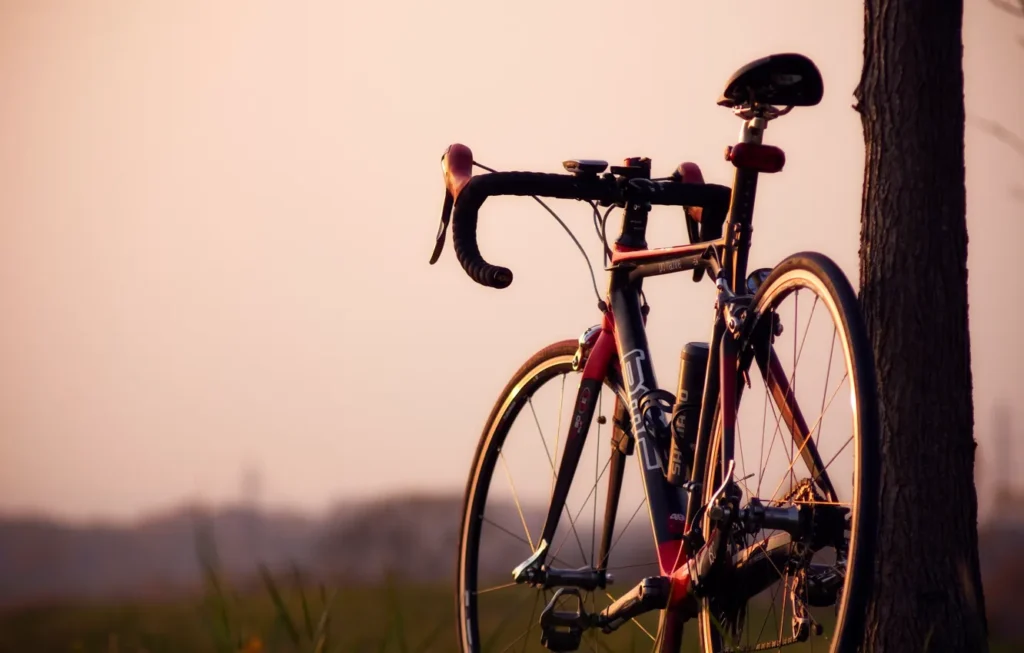
Germany has long been recognized as one of Europe’s leading cycling nations, where bicycles are used not only for recreation but also for commuting, tourism, fitness, and competitive sport. Cycling is deeply integrated into everyday life across many German cities and rural regions, supported by extensive infrastructure, long-standing traditions, and a growing awareness of sustainable transportation. While the popularity of cycling has evolved over decades, the bicycle remains one of the country’s most practical and widely appreciated forms of mobility. Understanding Germany’s cycling culture means looking beyond the bicycle itself and exploring how history, urban planning, recreation, and environmental awareness have shaped the way people ride today.
The history of cycling in Germany dates back to the nineteenth century, when bicycles gradually became more accessible to the general public. As technology improved and manufacturing expanded, bicycles transformed from luxury items into practical vehicles for everyday transportation. Throughout the twentieth century, cycling experienced periods of rapid growth alongside the development of roads, public transport, and motor vehicles. Rather than disappearing with increasing car ownership, bicycles continued to maintain an important role, particularly in towns and cities where shorter travel distances made cycling both convenient and efficient.
Today, bicycles are visible throughout Germany in a wide variety of settings. Large metropolitan areas such as Berlin, Hamburg, Munich, Cologne, and Leipzig feature dedicated cycling lanes, bicycle parking facilities, traffic regulations designed for cyclists, and connections between cycling routes and public transportation. Many commuters combine bicycles with trains or buses, making daily travel more flexible while reducing dependence on private cars. In smaller towns and rural communities, bicycles remain equally popular for local transportation and leisure activities.
Cycling infrastructure plays a significant role in encouraging regular bicycle use. Germany has invested in networks of marked cycle paths, separated bike lanes, bicycle bridges, traffic-calming measures, and clearly defined road signs that help improve safety and accessibility. Many routes connect residential neighborhoods with schools, workplaces, shopping districts, parks, and railway stations. These investments allow cyclists of different ages and experience levels to travel comfortably while sharing public spaces with pedestrians and motor vehicles under clearly established traffic rules.
Recreational cycling represents another important aspect of German cycling culture. Across the country, thousands of kilometers of scenic cycling routes pass through forests, rivers, vineyards, mountains, lakes, and historic towns. Long-distance routes often connect multiple regions, allowing cyclists to experience Germany’s diverse landscapes at a relaxed pace. Weekend cycling trips have become a common leisure activity for families, friends, and individuals seeking outdoor exercise while exploring local history, architecture, and natural attractions. Many communities actively maintain cycling trails that encourage tourism without significantly affecting the surrounding environment.
Germany is also known for its strong tradition of competitive cycling. Road racing, mountain biking, cyclocross, BMX, and track cycling all attract dedicated athletes and enthusiastic spectators. Local cycling clubs provide opportunities for riders of different skill levels to participate in organized events, group rides, and amateur competitions. Professional German cyclists have achieved success in international races, contributing to the country’s reputation within the global cycling community. While elite competition represents only one part of cycling culture, it inspires many people to become more interested in the sport and its technical aspects.
Environmental awareness has further strengthened the popularity of bicycles throughout Germany. As cities continue working toward lower emissions and more sustainable transportation systems, cycling is increasingly viewed as an effective way to reduce congestion, improve air quality, and encourage healthier lifestyles. Many people choose bicycles for shorter daily journeys because they require little space, produce no direct emissions, and offer an enjoyable alternative to driving. Public discussions about climate goals, urban development, and active mobility have reinforced the importance of cycling within modern transportation planning.
The variety of bicycles available today reflects the diverse needs of German riders. City bikes remain popular for commuting and everyday errands, while trekking bikes are widely used for longer recreational rides. Road bikes appeal to fitness enthusiasts and competitive cyclists, mountain bikes are common on forest trails and off-road terrain, and gravel bikes continue gaining popularity because of their ability to handle both paved roads and unpaved paths. Electric bicycles have also become increasingly common, making cycling accessible to a broader range of people by providing assistance during longer rides or challenging terrain.
Cycling culture in Germany extends beyond transportation and sport. It represents a combination of practicality, recreation, environmental responsibility, engineering innovation, and community participation. People of different ages ride for different reasons, yet they all contribute to a culture that values safe infrastructure, mutual respect on the roads, and continuous improvements in cycling accessibility. As technology evolves and cities continue adapting to changing mobility needs, bicycles are likely to remain an essential part of everyday life across Germany, reflecting both the country’s history and its vision for a more sustainable future.