
The history of cycling in Germany reflects more than the development of a popular means of transportation. It is a story of technological innovation, changing lifestyles, sporting achievements, and the gradual integration of bicycles into everyday society. Over nearly two centuries, bicycles have transformed from experimental machines into practical vehicles used for commuting, recreation, tourism, and competitive sport. Germany has played an important role in this evolution through engineering, manufacturing, organized cycling, and the continuous expansion of cycling infrastructure that supports millions of riders today.
The origins of cycling can be traced back to the early nineteenth century, when the first two-wheeled steering vehicle was introduced by the German inventor Karl Drais. In 1817, he presented the Laufmaschine, often called the “running machine” or “draisine.” Unlike modern bicycles, this invention had no pedals. Riders propelled themselves by pushing against the ground with their feet while steering the front wheel. Although simple by today’s standards, the draisine represented a major breakthrough because it demonstrated that two wheels arranged in a straight line could provide stable and efficient transportation. This invention is widely considered one of the earliest milestones in the history of the bicycle.
Throughout the nineteenth century, bicycle technology continued to develop across Europe. Engineers improved frame construction, introduced pedals, chain-driven rear wheels, pneumatic tires, and stronger metal components. These innovations gradually transformed bicycles into practical vehicles suitable for everyday use. Germany became home to several manufacturers that contributed to bicycle production and engineering, helping make bicycles more affordable and reliable for the general public.
By the late nineteenth century, cycling clubs had begun appearing throughout Germany. These organizations provided opportunities for riders to participate in group excursions, social gatherings, and amateur competitions. Cycling quickly became both a recreational pastime and an organized sporting activity. Clubs also encouraged the exchange of technical knowledge, organized long-distance rides, and promoted safe cycling practices. Many of these early organizations helped establish traditions that continue within German cycling communities today.
As cities expanded during the early twentieth century, bicycles became an increasingly common method of transportation. Workers, students, and families relied on bicycles for daily travel because they were affordable, practical, and relatively easy to maintain. Before widespread automobile ownership, bicycles allowed people to travel efficiently between home, workplaces, schools, and markets. In both urban and rural areas, cycling became closely connected to everyday life and personal mobility.
The development of motor vehicles during the twentieth century changed transportation patterns across Germany, yet bicycles continued to play an important role. While private car ownership increased significantly after the Second World War, many communities maintained strong cycling traditions. In numerous towns and smaller cities, bicycles remained an efficient choice for short-distance travel, especially where streets were compact and destinations were located close together. Unlike many other forms of transportation, bicycles required relatively little infrastructure and remained accessible to people of different ages and income levels.
Competitive cycling also developed steadily throughout Germany during the twentieth century. Road racing, track cycling, cyclocross, mountain biking, and BMX each attracted dedicated athletes and enthusiastic spectators. German cyclists achieved success in national championships as well as major international competitions, helping strengthen public interest in the sport. Cycling clubs continued to organize amateur races and recreational events that welcomed participants with varying levels of experience. These competitions helped preserve cycling as both a sporting discipline and a community activity.
During the final decades of the twentieth century, public attitudes toward transportation began to change. Concerns about traffic congestion, air quality, urban planning, and environmental sustainability encouraged many German cities to reconsider the role of bicycles within modern transportation systems. Investments in dedicated cycling infrastructure gradually expanded, including protected cycle lanes, bicycle parking facilities, clearly marked intersections, traffic-calming measures, and cycling-friendly road designs. These improvements increased safety while making cycling more attractive for daily commuting.
Germany’s extensive cycling network is now one of the defining features of its transportation landscape. Thousands of kilometers of regional and long-distance cycling routes connect cities, villages, forests, rivers, lakes, and historic landmarks. Well-known routes such as those following the Rhine, Elbe, Danube, and Moselle rivers attract recreational cyclists from Germany and abroad. These routes support tourism while allowing people to experience natural landscapes and cultural heritage at a slower, more enjoyable pace than many other forms of travel.
The introduction and rapid growth of electric bicycles has marked another important chapter in Germany’s cycling history. Improvements in battery technology and electric motors have expanded access to cycling for people with different levels of physical ability and experience. E-bikes make longer distances, steeper hills, and daily commuting more manageable while preserving the fundamental experience of pedal-assisted cycling. Their popularity has contributed to rising bicycle use among a broad range of age groups and has further strengthened cycling as a practical transportation option.
Cycling culture in Germany extends beyond transportation and sport into education, public health, and environmental awareness. Schools often include road safety education that teaches children how to ride responsibly and understand traffic regulations. Community organizations organize cycling events, educational rides, and awareness campaigns that encourage safe and respectful behavior among all road users. Public discussions increasingly recognize bicycles as valuable tools for promoting healthier lifestyles, reducing emissions, and creating more livable cities.
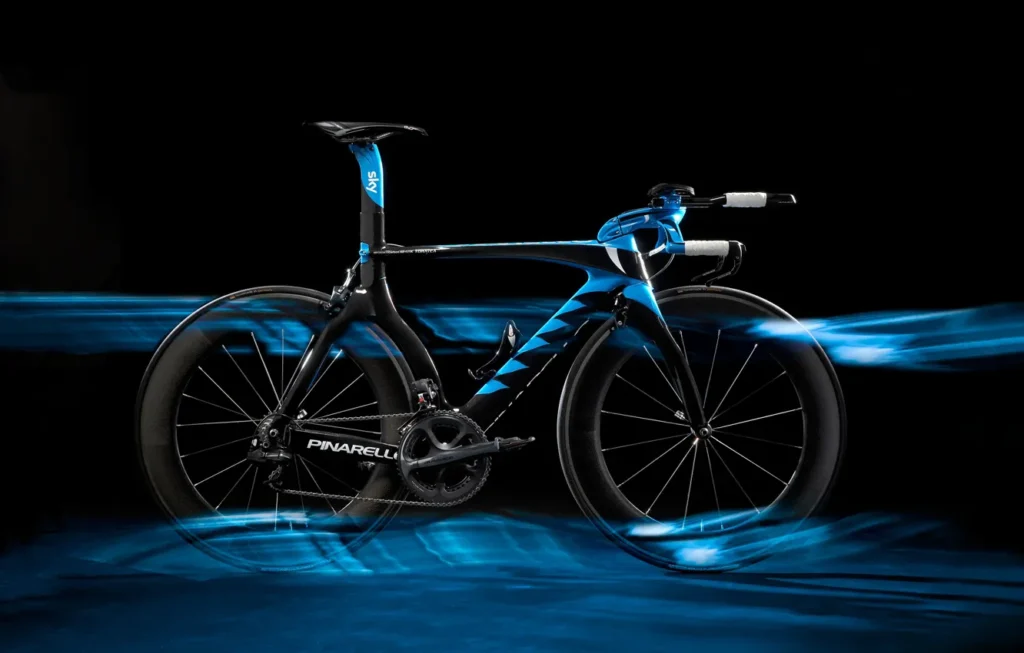
German bicycle manufacturing has also continued to evolve alongside changing technology. Modern bicycles now incorporate lightweight aluminum alloys, carbon fiber frames, hydraulic disc brakes, electronic gear shifting, advanced suspension systems, and innovative safety features. At the same time, traditional bicycle designs remain popular for everyday commuting, demonstrating how cycling continues to balance innovation with practicality. Manufacturers regularly develop bicycles tailored to different purposes, including urban transportation, mountain biking, gravel riding, cargo transport, and long-distance touring.
Today, cycling in Germany represents a unique combination of history and modern development. Centuries of engineering progress, organized sporting traditions, thoughtful urban planning, and growing environmental awareness have created a culture where bicycles are respected as practical vehicles, recreational companions, and sporting equipment alike. From Karl Drais’s first wooden running machine to today’s advanced electric bicycles and extensive cycling infrastructure, the history of cycling in Germany illustrates how a simple invention has continually adapted to meet the changing needs of society while remaining one of the country’s most enduring and widely appreciated forms of mobility.